






 In a three-part series, I’ll be focusing on the reasons why Egypt is where it is now.
In 28 months, Egypt as we had come to know it has vanished into thin air. Where did that Egypt go? I wonder if it will ever return?
That Egypt, with its joys and sorrows, with its dreams and nightmares, is long gone. The picture today is of destitute; if we ever thought badly of the Egypt of yesterday, we need to think again.
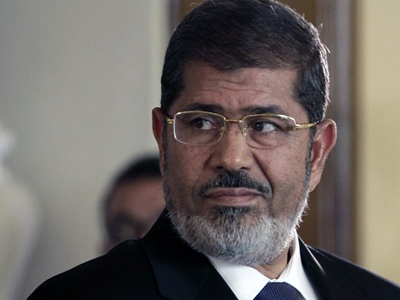
Focusing on President Morsi is a good starting point on why Egypt is where it is now. President Morsi has had a good 11 months under his belt, and if anything, Egypt is sinking further into its misery. How much of this misery falls on President Morsi and the Muslim Brotherhood’s shoulders? And if it is their fault, why are they so inept?
At the threshold of Morsi’s presidency, Egyptians expected an Egyptian president. This hope was shattered. President Morsi’s allegiance is to the Muslim Brotherhood party, and every action he takes is essentially for the party. Consequently, he has, in such a short span, amassed dissatisfaction incomparable to any other Egyptian president. (http://bit.ly/17rU5sT)
Morsi’s commitment to his party may have been accepted had it been for the good of Egypt, too. Since his leadership, no single decision has been solely for the good of Egypt. How that decision will affect or enhance the MB’s position is always in the forefront. If anything, all decisions, if they weren’t revoked afterwards, split Egyptians into Ikhwans or not.
From the start, the judiciary system and President Morsi decided not to see eye-to-eye while it was the judiciary system that stood behind the Ikhwan in their forlorn years. Morsi is unable to see that clamping down on the judiciary system revokes the essence of the democratic state Egyptians had hoped for.
The battle began with the parliament’s annulment. From then on standoffs came swiftly. The Supreme Constitutional Court was under siege for weeks—by Morsi’s supporters; his top prosecutor remains an illegal one; the incoming judiciary law will retire all judges over 60—all 3,000 of them; and the dismissal of Tahani El Gebali with seven other judges according to the terms of the new constitution is an obvious encroachment on the system.
Second, the Muslim Brotherhood is slowly but surely taking over. On various fronts, the systematic “Brotherhoodizing” of Egypt is flagrantly taking place. The new Culture Minister wreaks Brotherhood and no culture affinity. The Media Minister’s nuances portray a pervert, and yet the system coddles him. Elsewhere, any of his sickly remarks would have ended his tenure instantly—his asset is his allegiance. The same goes for Qandil’s government. Why Morsi holds on to a prime minister that has been unable to deliver is unexplainable if it weren’t for relationships and affiliations.
This is occurring on other fronts, too. The ambience exemplifies Islam; if you don’t apply Islam in all branches of life—what you eat, drink, wear, say, and represent—you are dishonoured. Criticizing the Muslim Brotherhood is also dishonourable since they allude to Islam in all their maneuverings. This has led to detainments and summoning of activists and media members.
The emboldened Islamists cut the braids off unveiled girls and have other pupils hit these girls on the nape of the neck for the same reason. Men are slain in broad daylight for walking along females. The cover on educational books has bearded men teaching the youngsters. The views and opinions aired evoke backwardness—all this as President Morsi watches neglectfully.
President Morsi has also watched Copts suffer and done nothing to alleviate their pain. He kept his distant while they battled evictions, bias, and death. He has not lent them a hand or admonished the hand that had betrayed them. Not one single decision made attributes respect to Copts.
The Suez Canal Development Project terrifies Egyptians. For all we know, this could be a worth-considering project, but the leadership’s inability to communicate its support of the project or proactively engage Egyptians in a positive dialogue has led to this puzzlement. Hence, most Egyptians believe it is a sellout.
And today seven Egyptian officers and soldiers were kidnapped in Sinai—yet again. Will this case be forgotten similar to many other ones? More importantly, what exactly is the Muslim Brotherhood’s connection to Hamas? President Morsi’s escape from Wadi El Natroun Prison during the prison break in of 2011 provides the media with a golden opportunity to lash at the Muslim Brotherhood, Hamas, and President Morsi himself.
The bigger picture: the poor are poorer, the economy is plummeting, and the future is bleak. The shortcomings are numerous and the hidden agenda is not hidden at all. Egyptians are aware of it all.
If all the above does not denounce Morsi as inept, I don’t know what would. It doesn’t seem as though there is a chance for Morsi or the Muslim Brotherhood Party to survive in Egypt.