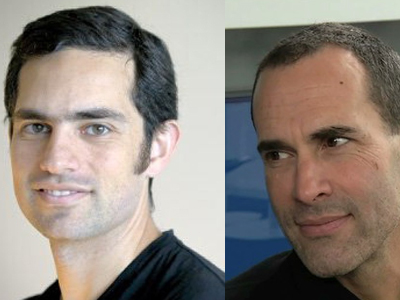







Habib El Adly presided over the Egyptian Ministry of Interior from 1997 up till the Jan 25th Revolution in 2012 when he had to be safeguarded as he was rushed out of his office amidst the screams of hatred from bystanders. Having been one of the most powerful men in Mubarak’s era, he ended receiving a 12-year sentence and a 15-million pound fine in 2012 for fraud, money laundry, and squandering the public’s funds, and later, along with Mubarak, was found guilty of conspiring against the protestors. He received a life sentence.

Habib El Adly
In Habib El Adly’s days, the police force became acutely powerful. It came second only to the army. Though lowly traffic constables were always disregarded—then and now, police officers were respected, revered, and feared simultaneously. Still, Egyptians abhorred the officers, for they, or at least some of them, abused their power to every possible extent—torturing, brutalizing and persecuting, and giving the rest of them a bad name. Innocent and non-innocent Egyptians dreaded falling in their grip or being at their mercy.
El Adly, himself, personified the epitome of power and might. His name was synonymous with atrocities, victimizing and oppression, and inexplicable wealth in the billions including a fleet of cars and fancy villas. And he also oversaw the country with a firm iron fist.
Wait—he also oversaw the country with a firm iron fist?—is that a negative or a positive trait?
Bottom line, was El Adly good or bad for Egypt? Today, and in hindsight, Egyptians are confused.
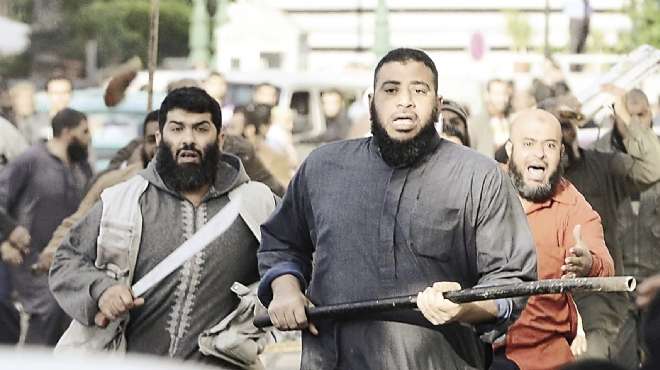
Egypt today suffers from rampant lawlessness—absolutely no recognizable police force exists. We can’t tell if this is because the force has lost its power or its will. Amidst the revolution mayhem, and in response to the various incidents where excessive force was used to disperse the protestors, the police was demonized. It was considered the enemy, cursed and cussed, and ridiculed and, in its turn, was victimized as it once victimized other groups and those who fell under its grip.
When its image shattered and its authority slipped, the police force lost its zeal for protecting and defending the country. Indeed, Egypt’s police went on strike refusing to control rioters and causing further confusion—utter dysfunction but understandable nonetheless.
At the same time, rogues, thugs, street vendors, and harassers are bolder and totally unabashed, scornful of the law and its implementers.
Walk around Cairo, and you will see street vendors, falafel-stand sellers, and peddlers obstructing the roads and piling trash totally unaware and fearless of the police—the streets belong to them. Drive along the Ring Road, and you will witness the appalling sprawl widen and grow as it wipes acres of agricultural land in their entirety. Try your luck and venture out on a day when the Ultras, the Black Block, or the Capos plan to close off a road, and you will be lucky if you ever reach your destination. Or better yet, let your sister or wife attempt to partake in a Tahrir demonstration, and she will most definitely be harassed. Cairo is a city surviving on an earlier momentum—nothing today sustains this original drive.
Then traffic has reached a screeching halt. True cars have increased in number; no one can deny that, but simultaneously those who opt to drive along the wrong lane, double or treble park, ignore traffic etiquette, or disrespect others drivers have become the usual not the uncommon.
And all this brings us back to Habib El Adly. In El Adly’s era Egypt was safer and less chaotic, and Cairo maneuverable. Egyptians had guidelines, which they followed and adhered to the best of their ability. True Egyptians thought badly of the situation then, but there is no comparison to what we are suffering from today. Today, nothing is safe and nothing is clear. Everything is fuzzy.
Which again brings us back to the original question—was Habib El Adly good or bad for Egypt? I wish it were that simple: black or white, either or. It isn’t—something that Egyptians need to understand. No one is all good, and nothing is all bad. Everything encompasses good and bad.
It is up to Egyptians to give credit where credit is due. El Adly was, in some sense, good for Egypt while, in another sense, terribly bad for Egypt.
While El Adly is gone forever, Egypt has other leaders and ministers governing today. Hopefully they are heeding what happened to El Adly. Hopefully they will try to restore order and stability while respecting Egyptians and gaining their trust. And hopefully Egyptians will go back to respecting the police force and begin to feel less intimidated by it. Hopefully.